Prepare for the New Changes !
✅ Landlords Must Prepare for the Renters Rights Bill to start from 27th December 2025
📌 Key Measures to Prepare For
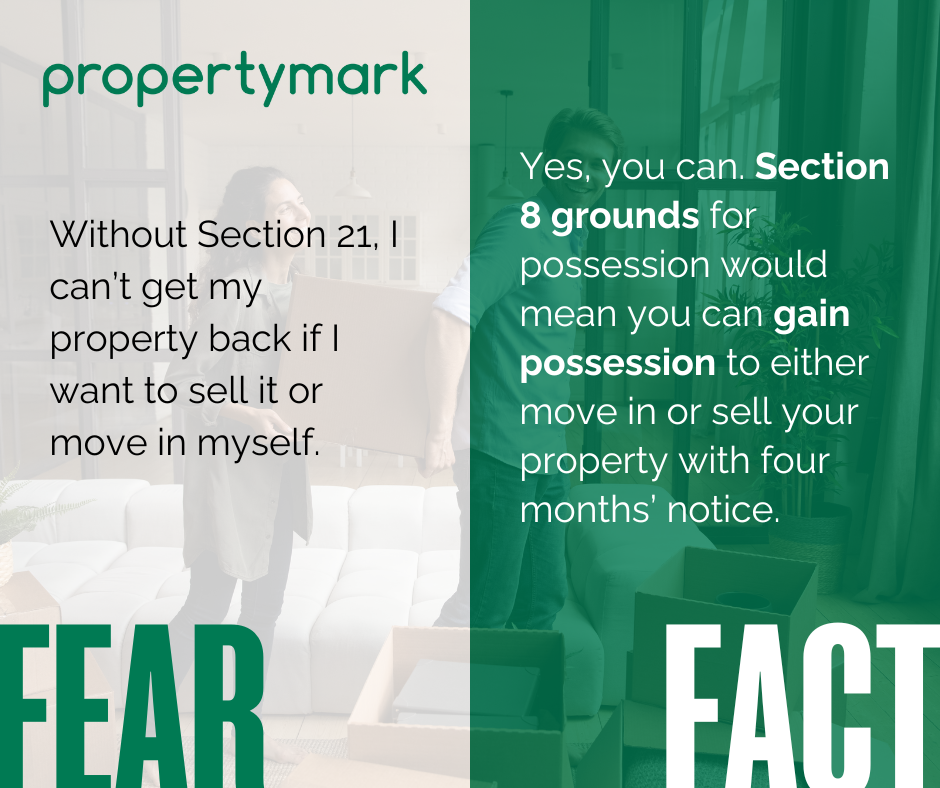
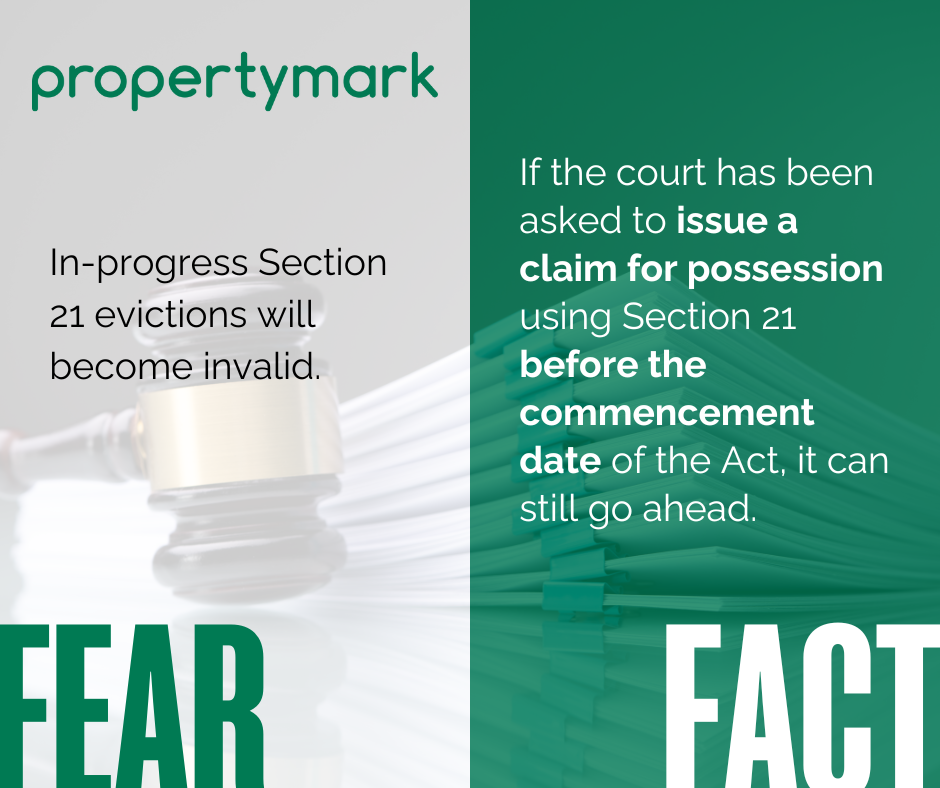
- Abolition of “no-fault” evictions under Housing Act 1988 section 21.
- All new tenancies (and existing) to be periodic (rolling) rather than fixed-term.
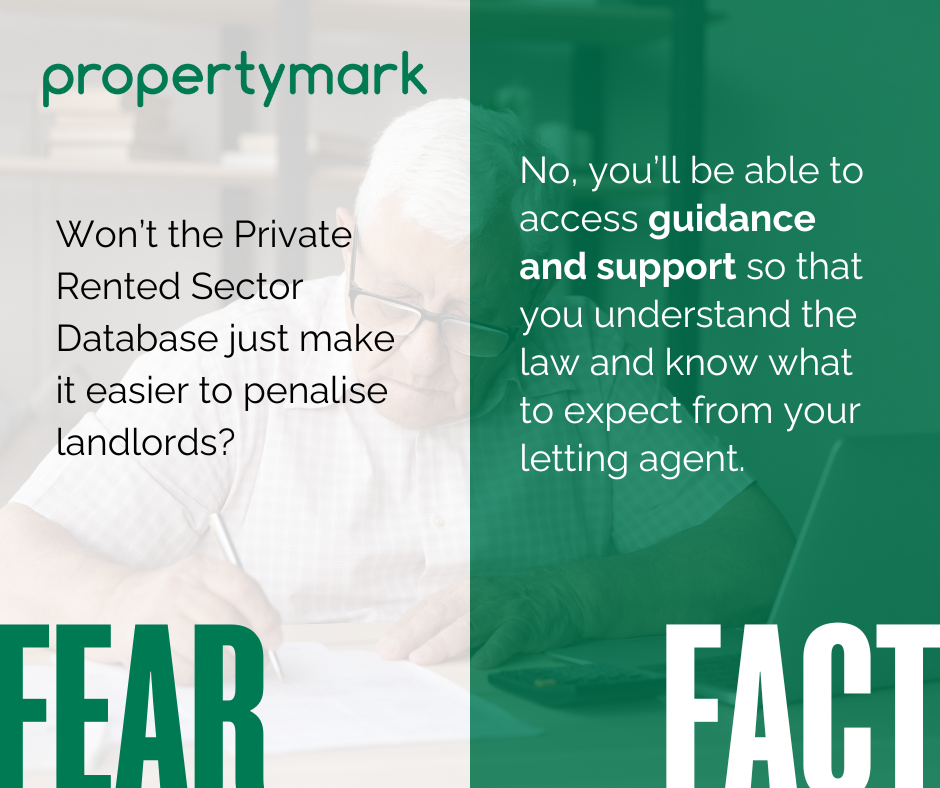
- Introduction of a new mandatory private rented sector database for landlords and properties. Approval Numbers must be in all adverts and all landlords must register- regardless of if they use an agent or not!
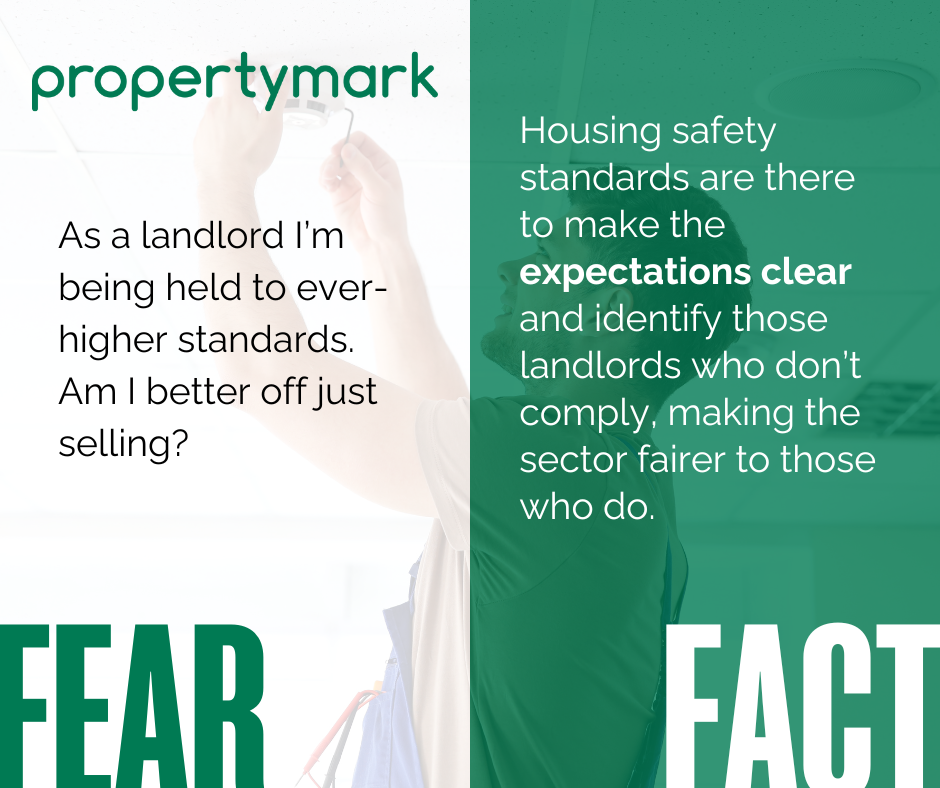
- Creation of a new “Decent Homes Standard” for the private rented sector, raising minimum property condition expectations.
- Stricter regulation of advertising/rent bidding, and stronger powers for enforcement by local authorities.
- Changes to Rent Increases
- Rent in Advance – Ban on accepting rent payments before the tenancy
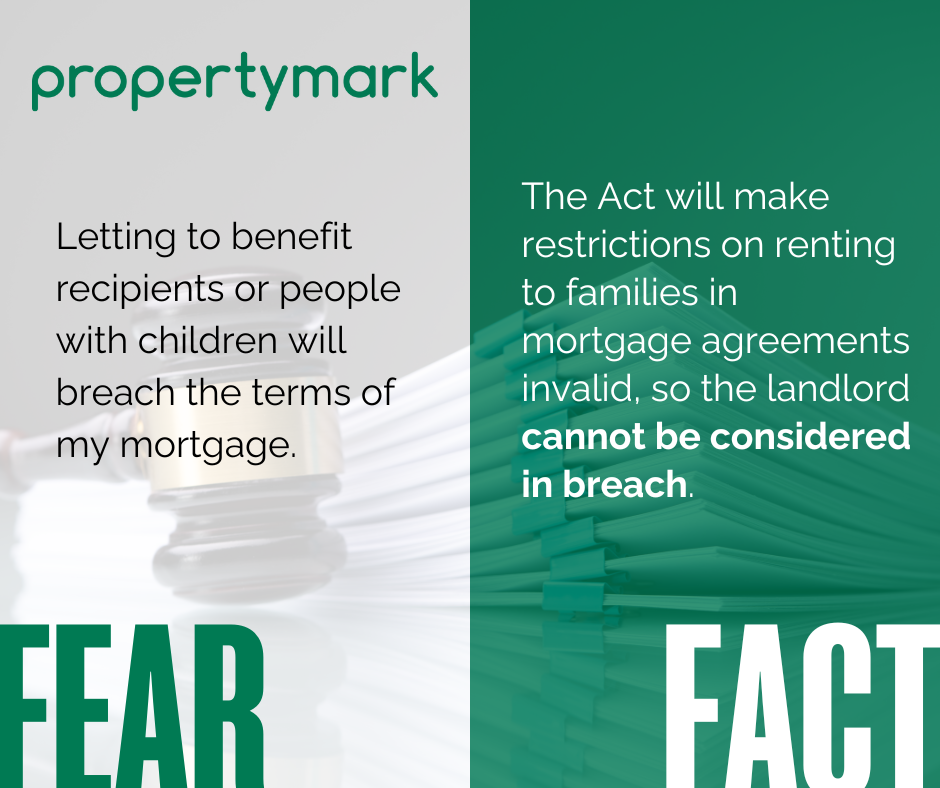
- Tougher restrictions on discrimination in letting (e.g., based on benefit receipt or children).
- Private Rented Ombudsman – All landlords must join the scheme, regardless if they use an Agent. Annual charge per property applies.
- Discrimination – Ban on NoDSS & restrictions on Children
- Pets – landlord has to respond within 28days to a request & must not unreasonably refuse. Tenants can seek action through the landlord ombudsman scheme.
- Councils have more powers to introduce enforcement
🛠 Actions for Landlords to Take Now
- Review tenancy agreements
- Ensure any new agreement is compliant with the Bill’s move to periodic tenancies (or at least be ready to convert when required).
- Update standard forms and terms to reflect the abolition of section 21 notices.
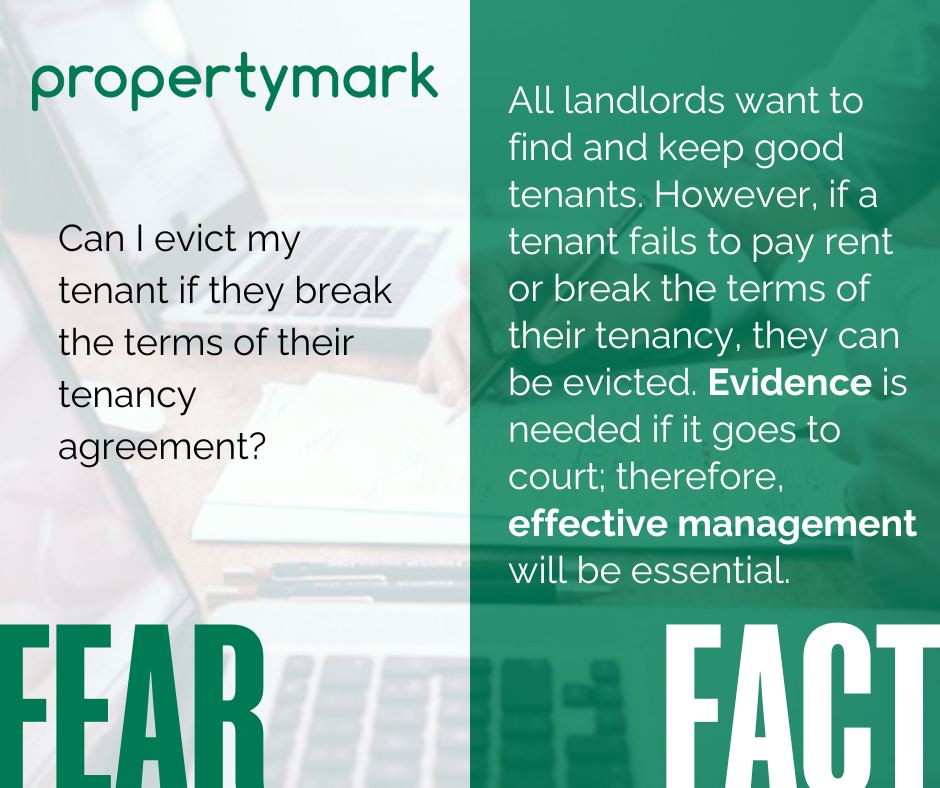
- Ensure clarity in terms about notice periods (tenant giving notice; landlord possession grounds).
- Audit your property portfolio
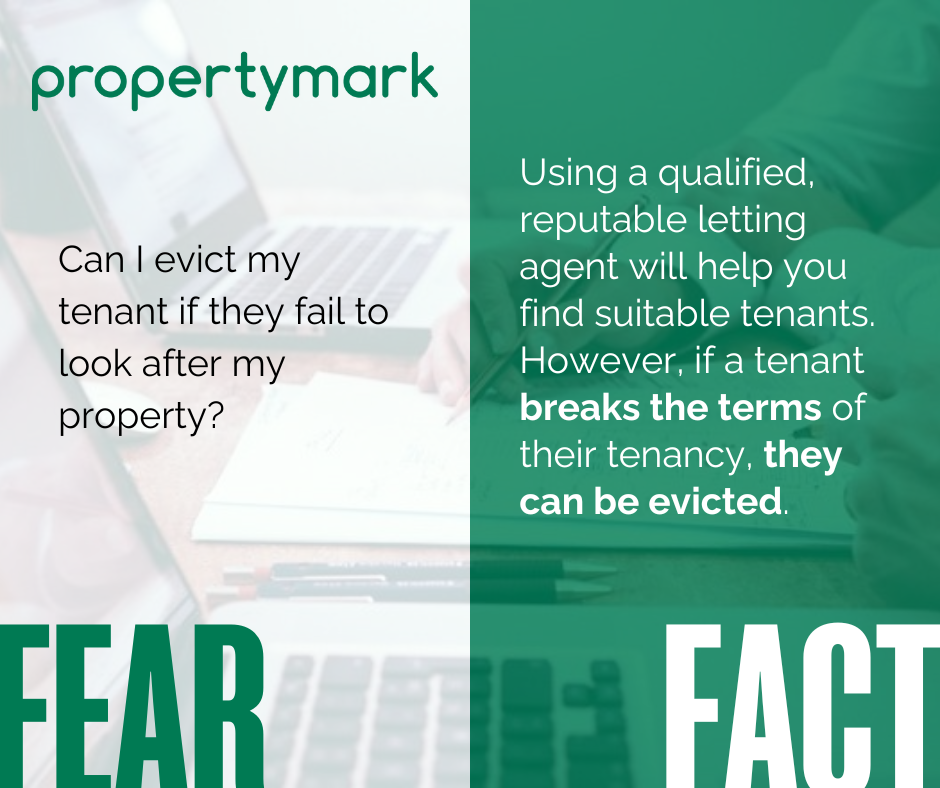
- Check each property meets high condition standards and spot any hazards or defects that might breach the new Decent Homes Standard.
- Ensure you have up-to-date safety certificates (gas, electrical) and documentation of property condition.
- Update processes and documentation
- Register properties and yourself on the forthcoming Private Rented Sector database when live.
- Review how you advertise: avoid “bidding wars”, ensure clear indication of asking rent, remove discriminatory language (e.g., “No DSS”).
- Review any upfront charges, deposits, guarantor policies to ensure these will not conflict with new rules.
- Communicate with tenants and letting agents
- If you use letting agents, check that their practices and templates are compliant.
- Inform tenants about any upcoming changes (e.g., transition from fixed-term to periodic) where relevant.
- Have a plan ready for how you respond to tenant requests for pets (as blanket bans may become harder to enforce).
- Prepare for enforcement & penalties
- Be aware that non-compliance will carry heavier civil penalties, stricter enforcement by local councils.
- Keep thorough records of your compliance efforts (inspections, certifications, database registrations, correspondence) to evidence good practice.
📋 Specific Checklist Items to Tick Off
- New or existing tenancy agreements updated/ready for conversion to periodic terms.
- Section 21 notices eliminated from your standard possession process.
- All properties audited for condition, hazards addressed, aligned to proposed Decent Homes Standard.
- Properties and landlord information ready for registration on the mandated database and ombudsman schemes.
- Advertising templates and policies reviewed (no bidding, no discrimination, transparent rent).
- Deposit, upfront payment, guarantor arrangements reviewed for compliance.
- Letting agent contracts reviewed (if applicable) to ensure they follow updated standards.
- Tenant communications drafted/planned to cover upcoming changes and policy updates.
- Compliance record-keeping system in place (certificates, inspections, correspondence).
- Monitoring system for statutory changes (implementation date, transitional provisions).
- make sure your system keeps an audit of all correspondence for protection and possession.
Guide to the Renters’ Rights Bill – GOV.UK
A decent home: definition and guidance – GOV.UK